
Expansion Tips
How fashion weeks influence retail: the process from runway to retail shelves
From runway to retail, Fashion Weeks shape the clothes we wear. Discover how trends born on the catwalk evolve into the garments we find in everyday stores.
Érica Pierre | Share
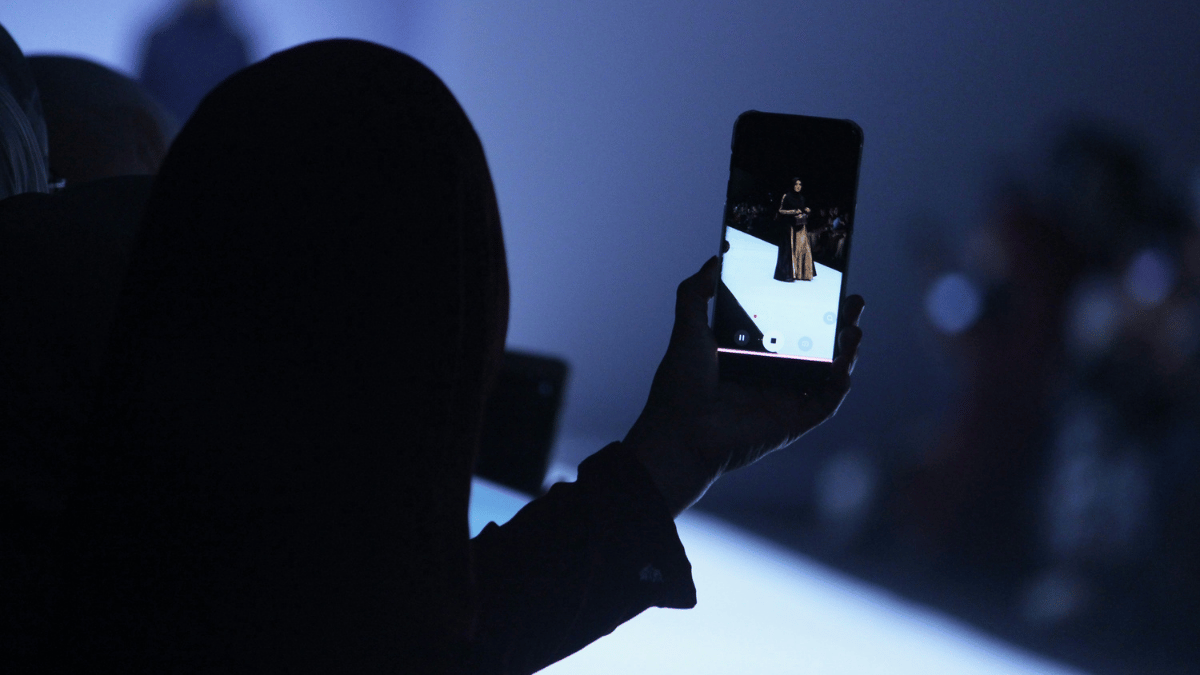
How do trends we see in Fashion Weeks end up in retail stores? When we go shopping for clothes and pick a garment, we usually have no idea where the inspiration for it came from. Is it possible that those complex outfits we see models wearing on the most essential runways have anything to do with the clothes we see in common stores? That’s what we will talk about in this blog post.
The History of Fashion Week
Three cities were involved in the birth of the official Fashion Weeks as we know them today. Although the first seasonally organised week of fashion shows was held in New York in 1943 — then called Fashion Press Week —, the idea of having fashion shows began, of course, in France. In the 1850s, fashion designer Charles Worth, known as the “father of haute couture,” began hosting private events to showcase his latest designs to his most important clients. Other designers followed suit, such as Paul Poiret at the beginning of the 20th century.
Meanwhile, in the United States, the first fashion show is popularly attributed to a fashion store called Ehrich Brothers, which held the event in 1903. The decades that followed consolidated the fashion show as a common experience, taking place in department stores and hotels everywhere.
But they were not seasonally organised until 1943 by fashion publicist Eleanor Lambert. She realised that, due to World War II, American buyers were no longer able to travel to Paris for inspiration, which gave her the idea of organising fashion shows as part of the previously mentioned Fashion Press Week, also known as simply Press Week.
Even though they now occurred at the same time of year, the events were still scattered throughout the city until 1993, when they were consolidated into one location. The name “fashion week,” however, began in London in 1984, later influencing the events in other cities to be called the same.
The Role of Fashion Weeks in the Industry
The primary purpose of fashion shows has been a simple one from the beginning: to showcase the designers’ collections to both the public and buyers. And Fashion Weeks began to help organise these collections according to the seasons, which made more sense for the industry. The Fashion Weeks also have an essential role in setting new trends for the upcoming months. The Big Four, as they are known, are the Fashion Weeks of New York, London, Paris, and Milan. They are the pioneers and remain always relevant. Still, lately, other smaller Fashion Week events have become increasingly important in setting new trends, such as the one held in Copenhagen.
The Evolution of Fashion Weeks into a Spectacle of Greater Proportions
At first, fashion shows were intimate events for the most wealthy clients. Over the years, it became a spectacle visible to a lot more people. Now, it’s about more than just the clothes; it’s about the story the collection is telling, utilising every resource possible: music, lighting, set design, choreography, and even casting. And with social media, the way people consume this spectacle has evolved. Now you don’t have to be physically present to stay informed about what’s happening. Through the profiles of the brands that share backstage content, and the people who are attending the show, you can get a glimpse of the event from anywhere in the world. Which means that, for the brands, the pressure increased, since all eyes are on them during those days.
How are Trends Identified
The media and retail buyers present at the events have a lot to evaluate to identify trends. At the same time, the media and influencers are the first to share their analysis of the collections with the public. They have to analyse everything thoroughly. For example, identifying the colour palettes that are predominant on the runways. Additionally, the choice of fabrics reveals a great deal: are the designers using silk to evoke elegance and fluidity, or are they opting for more durable fabrics, such as denim? They also have to pinpoint the silhouettes selected for the following seasons, whether they feature oversized fits or cinched waists. Styling details are also important, such as layering, accessories, and footwear. The internet buzz that these trends generate on social media also helps buyers understand what is more popular, which influences what they will order for their stores.
Making Trends More Accessible
Everyone in the fashion industry has their eye on Fashion Weeks, not just high-end buyers, but also fast fashion stores, which find out what trends are most popular to create their own clothes following the same idea. Stores like Zara and H&M have been known to bring runway trends to their stores in record time. They don’t purchase clothes from the runways or copy them; instead, they create a more accessible version using the determined trends from Fashion Weeks as inspiration. This can be achieved by replacing the fabric with a more affordable option while maintaining the overall look, fit, and feel. Fast fashion designers also need to simplify the garments, as the ones we see on runways during these events are often too avant-garde and complex for the general public. This can be achieved by eliminating excess and adjusting silhouettes.
The Enduring Relevance of Fashion Weeks
Much has been discussed about whether these Fashion Weeks are still relevant. And the simple answer is: yes, they are. After many years, we have witnessed numerous challenges and changes in how people consume, which have modified Fashion Weeks. The forecast is that these trends will continue to evolve. Not even the COVID-19 pandemic, which has made events more “phygital,” was able to diminish their importance. The connection between the Fashion Weeks and what clothes end up in stores may not be so obvious for everyone, but it’s there. What begins on the runway continues to shape our wardrobes, and that influence isn’t going away anytime soon.
Written by:
Érica Pierre


Company
News and Views
©2026 BLANC Fashion. All Rights Reserved.